
The Attraction of Gambling
Casino games are meticulously crafted to engage players from the moment they enter the gaming venue. The thrill of potentially winning money creates an irresistible draw, pulling individuals into a world filled with excitement and suspense. This excitement is heightened by the dazzling lights, vibrant sounds, and lively social atmosphere of casinos, all orchestrated to create an enchanting environment. Players often experience a rush when they place bets, triggering the release of dopamine in the brain, a neurotransmitter associated with pleasure and reward, and many enjoy the added thrill of playing at an online casino nz where the stakes can be even higher.
Moreover, the allure of gambling is deeply intertwined with the psychological principles of risk and reward. Players constantly weigh the prospect of winning against the possibility of losing, which can ignite feelings of adrenaline and euphoria. This exhilarating rush can lead to a continuous cycle of betting where players become increasingly engrossed in the experience, as each win reinforces their belief in their capacity to succeed. The psychological concept of variable reinforcement, where rewards are given at unpredictable intervals, further amplifies this dynamic, making the games even more compelling and addictive.
The design of casino games is no mere coincidence; it reflects a profound understanding of human psychology. Game developers incorporate elements that evoke nostalgia and familiarity. For example, traditional slot machines often feature symbols like fruits or bells that resonate with players, evoking a sense of comfort and nostalgia. Additionally, the combination of visual and auditory stimuli is meticulously designed to keep players immersed, creating an environment where leaving becomes increasingly difficult, thus perpetuating the cycle of play.
The Role of Cognitive Biases
Cognitive biases significantly influence the decisions players make in a casino setting, often leading them to irrational choices. One of the most common biases is the illusion of control, wherein players believe they can influence the outcome of games such as slots or blackjack through their actions. This perception can lead to misguided decisions, such as placing larger bets after a series of losses, under the impression that they are “due” for a win, despite the inherent randomness of these games. Such cognitive distortions can cloud judgment and lead to increased financial risk.
Confirmation bias is another prevalent phenomenon among casino patrons. Players often remember their wins more vividly than their losses, fostering a skewed perception of their overall success. This selective memory reinforces the notion that gambling is a lucrative venture, motivating them to return for more gameplay. This cognitive distortion can obscure the mathematical realities of probability and the house edge, allowing players to overlook the inherent risks associated with gambling.
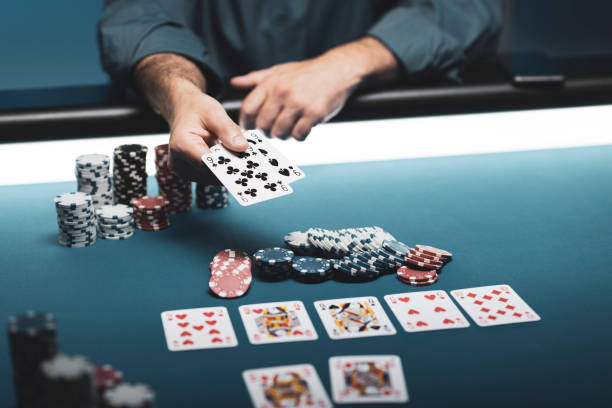
Additionally, the sunk cost fallacy is a common psychological trap for gamblers. Once players have invested significant time or money into a game, they may hesitate to walk away, even if they are experiencing losses. This emotional attachment compels them to continue playing in hopes of recouping their losses, often leading to a cycle of increasing bets and losses. The inability to detach from their investments creates a situation where rational decision-making becomes increasingly challenging.
The Social Dynamics of Gambling
The social element of gambling is a powerful psychological factor impacting player behavior. Casinos function as social arenas where individuals congregate to share experiences, enhancing both enjoyment and engagement. The communal atmosphere fosters camaraderie among players, creating a shared experience filled with excitement and anticipation. This social interaction can alleviate feelings of isolation that some individuals may experience in their everyday lives, providing a sense of belonging that many find appealing.
Peer influence also plays a significant role in shaping gambling behaviors. Witnessing others win can instill a sense of competition among players, compelling them to take higher risks or explore new games. Casinos often capitalize on this social dynamic by hosting events and tournaments that attract larger crowds, further enriching the interactive atmosphere. This competitive spirit can lead individuals to make decisions that they might not consider in a more solitary environment.
Moreover, the presence of dealers and casino staff contributes to the social experience. These individuals often engage with players, offering a personal touch that enhances the overall enjoyment of the game. Friendly interactions cultivate an environment where players feel valued and acknowledged, deepening their emotional investment in the experience. This sense of social validation can encourage prolonged play, as individuals seek to maintain these connections and continue sharing thrilling moments with others.
The Impact of Game Design
The design of casino games strategically leverages psychological principles to keep players engaged and invested. Game developers employ various features that encourage extended playtimes and repeat visits. For instance, the use of vibrant colors, eye-catching graphics, and captivating sound effects creates an immersive experience that captures players’ attention. This sensory stimulation can foster an emotional connection to the game, making it increasingly difficult for players to step away when they are on a winning streak or feeling lucky.

Another critical aspect of game design is the phenomenon of near misses, where players come close to winning but ultimately do not achieve success. Near misses can motivate continued play by fostering the illusion of increased chances of winning. For instance, a player may feel a surge of excitement when three out of five jackpot symbols appear on a slot machine, even though they do not win. This sensation often leads players to believe they are on the verge of a victory, prompting them to gamble further in pursuit of that elusive jackpot.
Incorporating features like bonuses and loyalty rewards also plays a significant role in enhancing player engagement. The prospect of bonus rounds, free spins, or loyalty points can incentivize players to continue playing, creating a sense of value in their ongoing participation. This notion is often reinforced through marketing strategies that highlight potential rewards and incentives, ultimately encouraging players to return for more gaming experiences and further solidifying their emotional investment in the game.
Understanding the Casino Experience
To effectively navigate the psychology behind casino games, it is vital to comprehend the holistic experience that casinos provide. This encompasses not only the games themselves but also the environment, social interactions, and various psychological influences at play. It is essential for individuals to recognize their motivations for gambling and the potential consequences of their decisions. Developing this awareness can empower players to make informed choices and maintain a healthy relationship with gambling.
In recent years, there has been a growing emphasis on responsible gambling practices. Many casinos are adopting programs aimed at educating players about the risks associated with gambling, offering resources for those who may need support. Understanding the psychology behind these games can empower players to identify when they are crossing the line between enjoyment and problematic gambling behaviors.
As you delve into the world of casinos and their games, gaining insight into the underlying psychological principles can greatly enhance your understanding and overall experience. The elements of attraction, cognitive biases, social dynamics, and game design intricately intertwine to create an engaging environment. By fostering awareness and promoting responsible gambling habits, players can relish the thrill of the gaming experience while minimizing the risks that accompany it.